🔖SPRING Promo Ongoing! Military & Senior Discounts | More than $1,000 OFF & more!
Water Heater
What is a Water Heater?
Water heaters are an essential part of any household, storing warm water that you can use to shower, wash your hands, and do all the other things that you need hot water for. Before buying a water heater, it's important that you understand what they do and how they work so that you pick the right model for your home.
Are you looking for plumbing installation services that are local, affordable, and expert? At TLC Plumbing, we offer a wide variety of services. We have been in business since 1977 and offer excellent plumbing installation in Tempe and the surrounding area. We can repair, replace, or install just about any fixture that you could need.
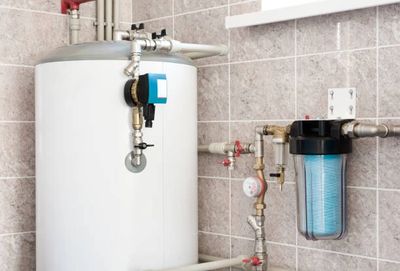
Tankless Water Heater
You wonder, “What's the point of a tankless water heater?” or “do I need a tankless hot water heater?” Most homeowners with conventional hot water heat systems can easily handle hot water demands from their homes. However, if you frequently find that you don't have enough hot water for all your showering needs OR if you're having to wait for hot water to arrive to your faucets, you may want to consider switching to a tankless hot water heater (also referred to as demand-type or instantaneous).
A tankless water heater saves money and resources by eliminating the need for a storage tank. With a traditional storage-tank-type electric or gas water heater, the energy needed to heat up the entire volume of water in the tank is wasted when only a small portion of this volume is used. In contrast, with a tankless design, only as much energy as needed is used at any given time — thus saving energy and money.
A tankless system has another advantage: It heats up quickly. For example, in many homes it takes about 20 minutes for the first hot shower on a conventional electric or gas storage-tank-type unit;
There are two main types of tankless hot water heaters available: gas-fired and electric. The most popular type of gas-fired unit is the condensing model. This type of tankless water heater uses natural gas or propane as its fuel source and has been around since the early 1990s. The electric model uses electricity as its power source and heats up quickly when needed but doesn't have the same energy efficiency as its counterpart.

Air and heating conditioning system
Electric Water Heater
What is Electric Water Heater?
Electric water heaters are an efficient way of keeping your water at the perfect temperature for showering, laundry and cleaning. Electric water heaters store hot water in a tank until it is needed, then release the hot water from the bottom of the tank into your home. The amount of time it takes to fill a standard-sized tub can vary by size and type, but a 12-gauge electric water heater can heat up to 8 gallons per minute (gpm), while a 10-gauge provides more than twice that volume.
Electric Water Heater Installation
An electric water heater is the most common type of hot water heater for use at home, as it is compact and efficient. Electric resistance water heaters are easy to install and can be used in any part of your home. Although oil-fired water heaters are still available from some manufacturers, they are no longer used very often in residential settings.
Benefits of Electric Water Heaters
An electric water heater is a great option to consider if you want to save money and reduce your carbon footprint. It costs less than gas heaters and has fewer environmental impacts.
Electric water heaters are easy to install, easy to maintain and operate more efficiently than other types of water heaters.
Electric water heaters are a good choice for homes with limited space. Electric water heaters can be installed near the point of use, so they're less likely to take up space in your home's basement or garage.
Electric water heaters are safer than gas-fired or oil-fired models. Because they don't have an open flame, electric water heaters produce little or no carbon monoxide gas or other toxic fumes during operation. They also have a much lower risk of explosion or fire than other types of water heaters.
Electricity is cheaper than oil or natural gas — so operating an electric water heater costs less than operating a gas-fired unit over time.
How to Maintain an Electric Water Heater?
1. Get Rid of Sediment
2. Inspect the Venting System
3. Clean the Anode Rod
4. Check the Thermostat/Temperature Relief Valve
5. Look at The Drain Valve
Common Electric Water Heater Repairs
There are many different parts that can go wrong in an electric water heater over time because they are constantly exposed to high temperatures and pressure conditions while operating properly.
When you need an electric water heater repair, you need a professional electrician. Electric water heaters are different from gas or oil-fired water heaters and require special training to fix.
Electric water heaters operate by heating water with electricity. They have a much higher energy efficiency than other types of water heaters and can be used in homes that have a limited amount of space for installation. The electric element inside the tank heats the water when it is turned on, but it does not provide any type of residual heat like gas or oil-fired units do.
Electric water heater repairs can be performed by any licensed electrician who has experience working with this type of equipment. Most businesses perform regular maintenance on their own equipment in order to keep it running at optimal levels and ensure that no problems occur during peak business hours when they are busiest.
In addition to regular maintenance, certain parts may need replacing over time due to wear and tear or extreme use conditions such as high temperatures and high pressure levels (such as those found in industrial environments).
cold and hot water systems. Plumbing services
Gas Fired Water Heater
Gas Fired Water Heater
Gas fired water heaters are a popular choice for homeowners because they are easy to install, affordable and reliable. The heaters work by burning natural gas to produce hot water. This is much more efficient than electric tankless water heaters. Because there is no storage tank, the unit heats the water as it is needed.
A gas fired water heater can be installed in your home or apartment and will provide hot water for both domestic use and, in most cases, for industrial applications as well. Gas fired units come with a wide range of features that make them ideal for any application.
Gas Fired Water Heaters are the most common type of water heating system in the United States. They use natural gas or propane to heat the water, which is then stored in a tank for use throughout the day.
In natural gas-fired water heaters, a burner passes through the bottom of the tank and heats up the water inside. The heated water is then pushed out through pipes that feed into your home’s hot water distribution system. In propane-fired units, a gas flame is used to heat up an internal burner box, which then heats up your water supply before it enters your home.
The main differences between gas fired units and electric systems are cost and efficiency; each type has its own set of advantages and disadvantages when compared to one another:
Gas fired systems are more expensive to install than electric ones because they require dedicated gas lines that must be run from your home to your garage or other outside location where your heater will be installed. However, once you install your unit, you won’t have any additional costs associated with installing or running electrical lines from your house to where you want to put it so that you can use an electric heater instead; electric units only require electricity from an outlet.
How Does A Gas Fired Water Heater Work?
When you turn on your faucet, cold water enters the unit's base chamber which is connected to an evaporator coil located in the top portion of the unit. The cold air from this chamber mixes with hot air coming from a burner located at the bottom of the unit. As this mixture moves through the burner it becomes very hot and is forced through a series of tubes and pipes into your home's plumbing system where it heats up your cold tap water before being sent back through another series of pipes into your hot tap for immediate use.
Gas Fired Water Heater Advantages
There are several advantages to using a gas fired water heater instead of an electric one:
1) They have an unlimited supply of energy, unlike electric ones that require electricity from the grid or solar panels. This means they will never run out of fuel while providing hot water for use around the house or office building.
2) They offer greater control over your energy usage than other types of heaters because you can turn them off when not being used for extended periods of time (such as at night). This makes them much more environmentally friendly than other types of heaters which must burn constantly.

How water service. Plumbing service